
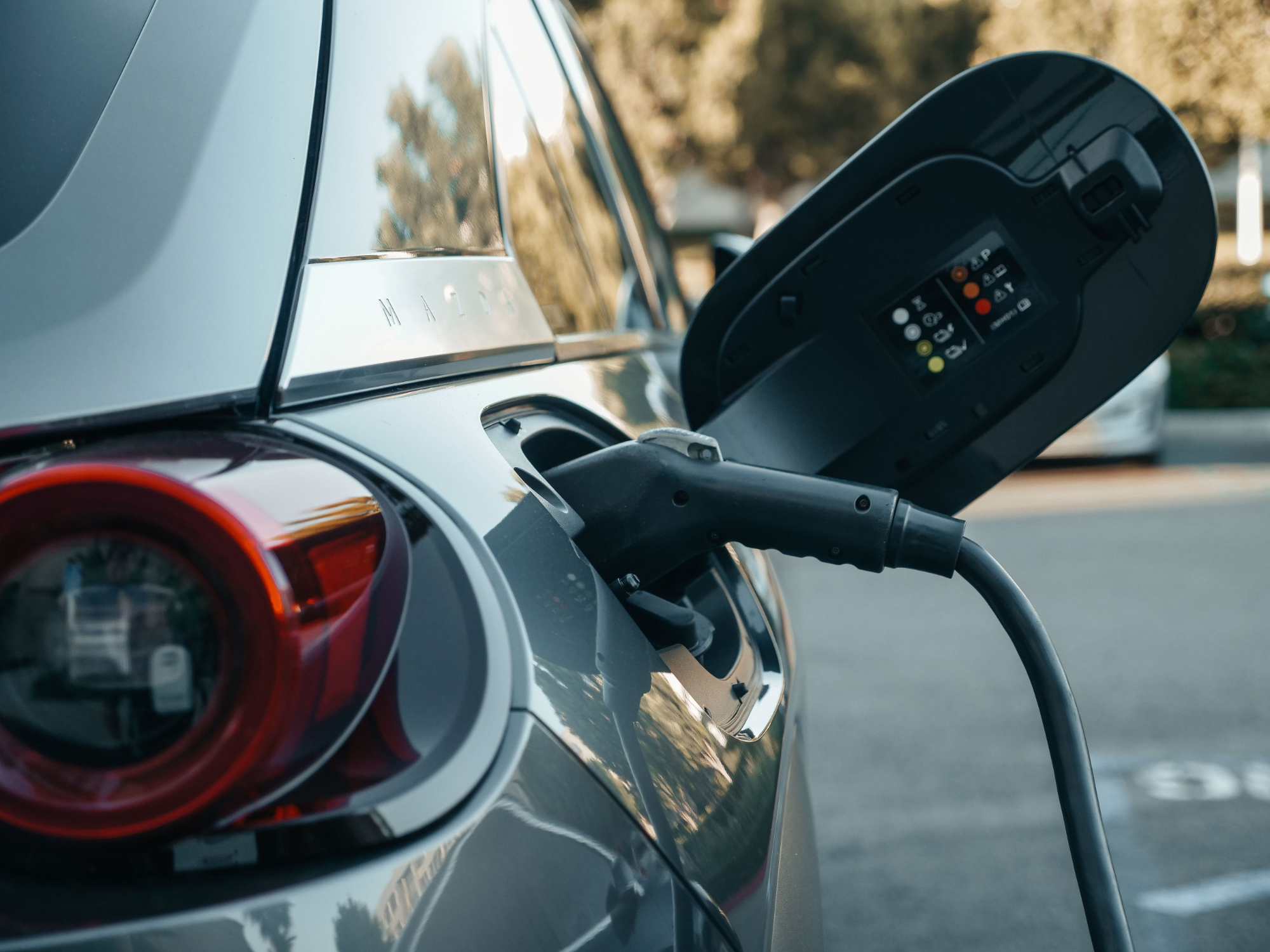
E-mobility is no longer a standalone technology choice, nor is it limited to purchasing an electric vehicle or installing a charger. It has become a new pillar of energy and operational planning, connecting transportation with electrical infrastructure, energy generation, storage, digital management systems and the operation of critical infrastructure.
For homeowners, businesses, corporate fleets, hotels, commercial properties, organizations and public-sector entities, the effective development of charging infrastructure requires technical expertise, strategic selection of power capacity and technology, compliance with the applicable regulatory framework and long-term support.
At MGD Energy, we approach every electromobility project as an integrated energy infrastructure project. We manage the entire process, from initial assessment and engineering design to installation, commissioning, monitoring, maintenance and future system expansion.
E-Mobility as a Strategic Investment
The transition to e-mobility is changing the way buildings, parking facilities, commercial installations, corporate fleets and public infrastructure are designed, while also redefining mobility itself.
The true value of an investment is determined not simply by the number of chargers installed, but by whether the system can meet current requirements and evolve over time without disproportionate additional costs.
Strategic planning involves anticipating future demand, ensuring scalability, making effective use of available electrical capacity and aligning charging infrastructure with an organization’s broader energy objectives.
For businesses, e-mobility can contribute to lower operating costs, fleet modernization, an improved customer and employee experience, and the achievement of measurable sustainability and ESG targets.
From Standalone Charging to an Integrated Ecosystem
EV charging infrastructure forms a complex ecosystem comprising electrical equipment, the distribution network, control systems, telecommunications and user management.
The charger itself is only the visible part of the installation. Behind it lies a range of technical decisions that determine the safety, availability and economic performance of the entire project.
For this reason, MGD Energy designs solutions that may include:
- AC charging stations for homes, workplaces, hotels, retail locations and organized parking facilities
- DC/HPC fast and ultra-fast charging stations for high-traffic locations, commercial facilities and fleets
- Dynamic load management and allocation of available power across multiple charging points
- Remote monitoring, access control, consumption tracking and technical supervision through the specialized MyMGD EV Charging platform with OCPP (Open Charge Point Protocol) support
- Integration with photovoltaic generation, battery energy storage systems and energy management systems
Effective Planning Starts Before Choosing the Charger
Equipment selection should follow the technical and operational analysis of the project, not precede it.
Charger capacity, the number of charging points, installation architecture and the need for AC or DC charging are determined by the usage profile, vehicle dwell time, charging frequency and available electrical capacity.
MGD Energy’s technical approach includes:
- Site inspection and assessment of the existing electrical installation
- Analysis of electrical loads and actual or projected charging profiles
- Assessment of the feasibility of an existing or new grid connection
- Electrical engineering design and sizing of cables, electrical panels, protection systems and grounding
- Design of cable routing, foundations, canopies, signage and other required construction works
- Equipment selection based on compatibility, interoperability, reliability and technical support capabilities
- Planning for future expansion to avoid technical constraints that could increase costs at a later stage
Solutions for Homes and Private Charging Facilities
In private charging applications, safety and proper integration into the electrical installation are just as important as ease of use.
The engineering design takes into account the property’s electrical supply, existing loads, parking location, required protection systems and the ability to control charging power in order to prevent overloads.
Solutions can be implemented in detached homes, apartment buildings, private parking facilities and dedicated corporate parking spaces, with smart charging capabilities, scheduling, user authentication and electric vehicle charging monitoring.
EV Charging Infrastructure for Businesses and Corporate Fleets
In business applications, e-mobility is directly connected to the operation of the facility.
A charging system must meet vehicle requirements without causing uncontrolled increases in peak demand. At the same time, it should enable cost monitoring by vehicle or user and remain available during the hours when charging is operationally critical.
MGD Energy develops solutions for corporate fleets, logistics facilities, industrial sites, offices, shopping centers, hotels, supermarkets, parking facilities and public-facing premises.
Depending on the requirements of each project, solutions may incorporate load management systems, vehicle prioritization, controlled access and the phased expansion of the charging network.
Public Charging and Organized Charging Networks
The development of publicly accessible charging infrastructure requires enhanced standards of reliability, availability, safety and interoperability.
The selection of locations and charging capacity should be based on demand, traffic flows, vehicle dwell time, grid capabilities and the overall viability of the investment.
MGD Energy can support municipalities, public bodies and investors in the design and development of charging networks, from the technical assessment of potential locations and grid connection procedures to construction, commissioning, operational supervision and maintenance.
Our approach covers both individual charging stations and organized AC and DC charging networks.
Photovoltaics, MGD Carports and Energy Storage
Integrating e-mobility with energy generation and storage creates new opportunities for businesses and investors.
MGD Carports photovoltaic canopies transform parking areas into clean energy generation assets while simultaneously providing shade and protection for vehicles.
In projects with high charging demand or limited available grid capacity, battery energy storage systems can provide additional support by managing charging peaks, increasing the utilization of photovoltaic generation and improving overall energy control across the facility.
PV, BESS and charging infrastructure are sized on the basis of actual energy balances, vehicle arrival profiles, required energy per charging session and specific operational scenarios.
In this way, the installation evolves from a simple point of electricity consumption into an integrated energy hub, coordinating the operation of the grid, photovoltaic generation, battery storage and EV charging.
Ensuring Performance Beyond Installation
Completing the installation does not mark the end of the project.
The actual performance of a charging network depends on system availability, timely fault resolution, continuous monitoring of electrical and operational parameters and the implementation of a structured operation and maintenance system.
MGD Energy’s services may include:
- Commissioning, configuration and functional testing
- Remote monitoring of charger status and usage
- Preventive maintenance, including electrical, mechanical and visual inspections
- Corrective maintenance and technical support
- Spare parts management and coordination with equipment manufacturers
- Performance, availability and energy consumption reporting
Structured technical support reduces downtime, protects the investment and ensures that the infrastructure remains safe and operational throughout its lifecycle.
Regulatory Compliance and Technical Safety
Every charging infrastructure project must be designed and constructed in accordance with the applicable regulatory and technical framework, electrical installation requirements, grid operator procedures and equipment manufacturer specifications.
Compliance is not merely a procedural requirement. It is a fundamental prerequisite for protecting users, vehicles, equipment and facilities.
MGD Energy combines engineering expertise with hands-on implementation experience to ensure that every project is supported by a technically sound solution, appropriate protection systems, proper testing procedures and complete project handover documentation.
MGD Energy: A Vision for the Future of E-Mobility
Our vision is to develop charging infrastructure that goes beyond meeting today’s needs and becomes an integral part of each customer’s long-term energy strategy.
We design scalable, digitally managed and technically reliable solutions capable of accommodating new vehicles, increased power requirements and additional energy technologies.
With integrated expertise in electrical installations, photovoltaics, energy storage and energy management, MGD Energy acts as a single technical and energy partner throughout the entire lifecycle of an electromobility project.
From Requirement to Operational Solution in Three Steps
- Assessment & planning: We identify the requirements, usage profile, available electrical capacity and future development needs of the installation.
- Engineering & implementation: We select the appropriate architecture, size the infrastructure and undertake equipment supply, installation and commissioning.
- Operation & support: We monitor, maintain and continuously develop the infrastructure to ensure it remains safe, efficient and available.
E-mobility is a long-term energy and operational choice. With the right strategy, technically sound engineering and reliable support, it can create meaningful value for every home, business, organization or investment project.
Frequently Asked Questions About E-Mobility
What type of EV charger is suitable for a home?
For residential use, an AC charger ranging from 7.4 to 22 kW is typically sufficient, depending on the available electrical supply of the property. MGD Energy assesses each installation and recommends the appropriate equipment according to its specific requirements.
What is the difference between AC and DC charging?
AC chargers of up to 22 kW are suitable for homes and locations where vehicles remain parked for longer periods, while DC fast chargers ranging from 30 to 350 kW are designed for fleets, public charging stations and high-traffic locations.
Are subsidies available for installing an EV charger?
The regulatory framework is periodically updated with funding programs for individuals and businesses. MGD Energy provides information on currently available programs and supports customers throughout the application process.
How long does it take to install an EV charging station?
Depending on the scope of the project, a residential installation can typically be completed within one day, while larger infrastructure projects, such as corporate fleets or public charging networks, require approximately one to two weeks of engineering and planning before implementation.
Request a Quote for Your E-Mobility Project
The MGD Energy team undertakes the engineering, supply, installation and maintenance of EV charging infrastructure.
Explore our ready-to-deploy solutions through the Green Up EV platform and contact us for a customized proposal tailored to your project.