
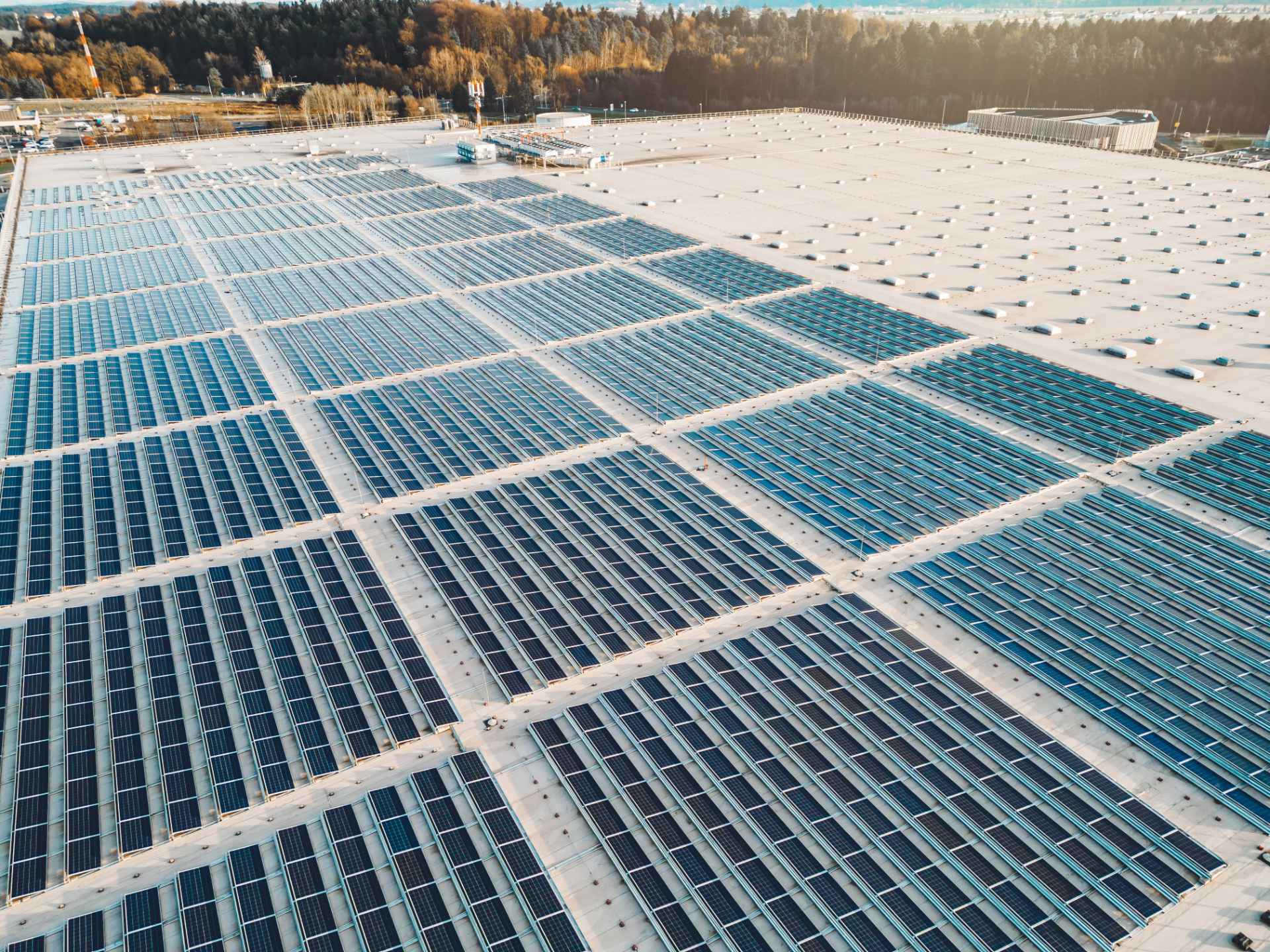
Energy costs have become a critical operational factor for every modern business. In this context, self-consumption models such as Net Billing (real-time energy offsetting) allow generated energy to be consumed on-site, while surplus energy can be exported to the grid and compensated accordingly.
However, in an environment of rising energy prices and increasing grid constraints, more specialized solutions such as Zero Feed-In are gaining ground. These systems address specific market needs by offering immediate cost savings and greater control over energy consumption.
Zero Feed-In is essentially a technical implementation of Net Billing, where all generated energy is consumed locally, without exporting any surplus to the grid and without compensation.
This model is particularly relevant for businesses aiming to reduce operational costs while minimizing dependency on the grid.
What is Zero Feed-In?
Zero Feed-In is a photovoltaic self-consumption model where:
- Energy is generated by the PV system
- It is consumed instantly on-site
- It can be stored in batteries (if storage is installed)
- No energy is exported to the grid (zero export)
Unlike other models, the system is designed exclusively to maximize self-consumption, eliminating any grid injection.
How Does It Work in Practice?
The system operates through intelligent energy management:
- The photovoltaic system generates energy
- The business or property consumes the energy instantly
- The inverter dynamically regulates production to prevent excess energy from being exported (e.g. via output control or curtailment)
- When demand exceeds production, additional energy is drawn from the grid
The result is full control over energy consumption, with zero energy fed back into the grid.
Why Is It Ideal for Businesses?
Zero Feed-In is particularly suited for business environments where energy demand is predictable and high during daytime hours.
✔ Immediate reduction in operational costs
Generated energy is consumed on-site, directly lowering electricity bills.
✔ Protection against energy price volatility
Businesses reduce their exposure to fluctuations in electricity prices.
✔ Operation in grid-constrained areas
Allows PV installation even where grid injection is not permitted.
✔ Cost predictability
Stabilizes a significant portion of energy expenses.
✔ Enhanced ESG performance
Supports carbon footprint reduction and strengthens environmental responsibility.
Is It a Cost-Effective Investment?
For Businesses (B2B)
For businesses with high daytime consumption:
- Immediate savings on energy costs
- Increased energy independence
- Reduced exposure to market volatility
- Clear financial benefits with predictable ROI
Sectors such as manufacturing, logistics, tourism, and agriculture can achieve strong returns, often with relatively short payback periods.
For Residential Use (B2C)
For residential users, the model is effective when there is significant daytime consumption.
- Reduces electricity bills
- Increases energy independence
- Works optimally when combined with battery storage
Net Billing vs Zero Feed-In
| Feature | Net Billing | Zero Feed-In |
| Grid | Yes | No |
| Compensation | Yes | No |
| Permitting | Easier | Faster |
Why Zero Feed-In Is a Key Choice for 2026
Several factors are driving the adoption of Zero Feed-In solutions in the Greek market:
- Increasing grid saturation
- Simplified and faster permitting process (especially compared to systems with grid export)
- Growing need for immediate cost reduction in businesses
- Shift towards energy autonomy models
- Focus on self-consumption rather than energy sales
Frequently Asked Questions (Q&A)
What does Zero Feed-In mean in photovoltaics?
It means that no energy is exported to the grid. All generated energy is consumed locally.
Is it suitable for businesses?
Yes, it is one of the most efficient solutions for businesses with stable daytime consumption.
What is the main financial benefit?
Immediate reduction in electricity costs and improved cost predictability.
Is a battery required?
Not mandatory, but it significantly increases energy utilization by storing excess energy.
Can it be installed in grid-constrained areas?
Yes, it is a key solution where grid export is not allowed due to network limitations.
What is the payback period?
It depends on the consumption profile, but for businesses it is often achieved within a few years. In many cases, payback is faster than initially estimated.
Conclusion
Zero Feed-In is a strategic investment for businesses seeking to reduce energy costs and gain greater independence from the grid.
With proper system design, it delivers immediate savings, cost predictability, and improved sustainability — all essential elements for modern business growth.